



Generative AI Course in Thrissur
Generative AI Course in Thrissur at Easy Courses helps you understand how Artificial Intelligence works and how to create AI-powered applications using modern AI tools, effective prompt engineering and Python.
About Generative AI Course in Thrissur
The Generative AI Course in Thrissur at Easy Courses helps you understand how Artificial Intelligence creates new content such as text, images, videos and applications. Learn to work with Large Language Models (LLMs), write effective prompts, use AI tools and develop AI-powered applications using Python.
This course is designed for Python learners, graduates and aspiring AI developers who want to develop practical AI skills and explore new career opportunities.
Easy Courses Learning Framework
A practical and structured training programme designed to help learners understand Generative AI concepts and build real-world AI applications.
Training
48 Hours of structured learning through 24 classes over 8 weeks.
Practical Projects
Work on hands-on projects such as:
- AI Study Assistant
- AI Q&A Web Application
- Open-Source Chatbot
- Document Q&A Chatbot
Technical Skills
Learn essential Generative AI technologies:
- Prompt Engineering
- Large Language Models (LLMs)
- AI APIs
- Python-Based AI Development
- Open-Source Models
- Retrieval-Augmented Generation (RAG)
Class Schedule
- Duration: 8 Weeks
- Total Classes: 24
- Total Training Hours: 48 Hours
- Weekly Schedule: 3 Classes per Week
- Class Duration: 2 Hours per Class
Why Easy Courses for the Best Generative AI Training in Thrissur?

Practical AI Training
Learn Generative AI through hands-on classes and practical exercises.
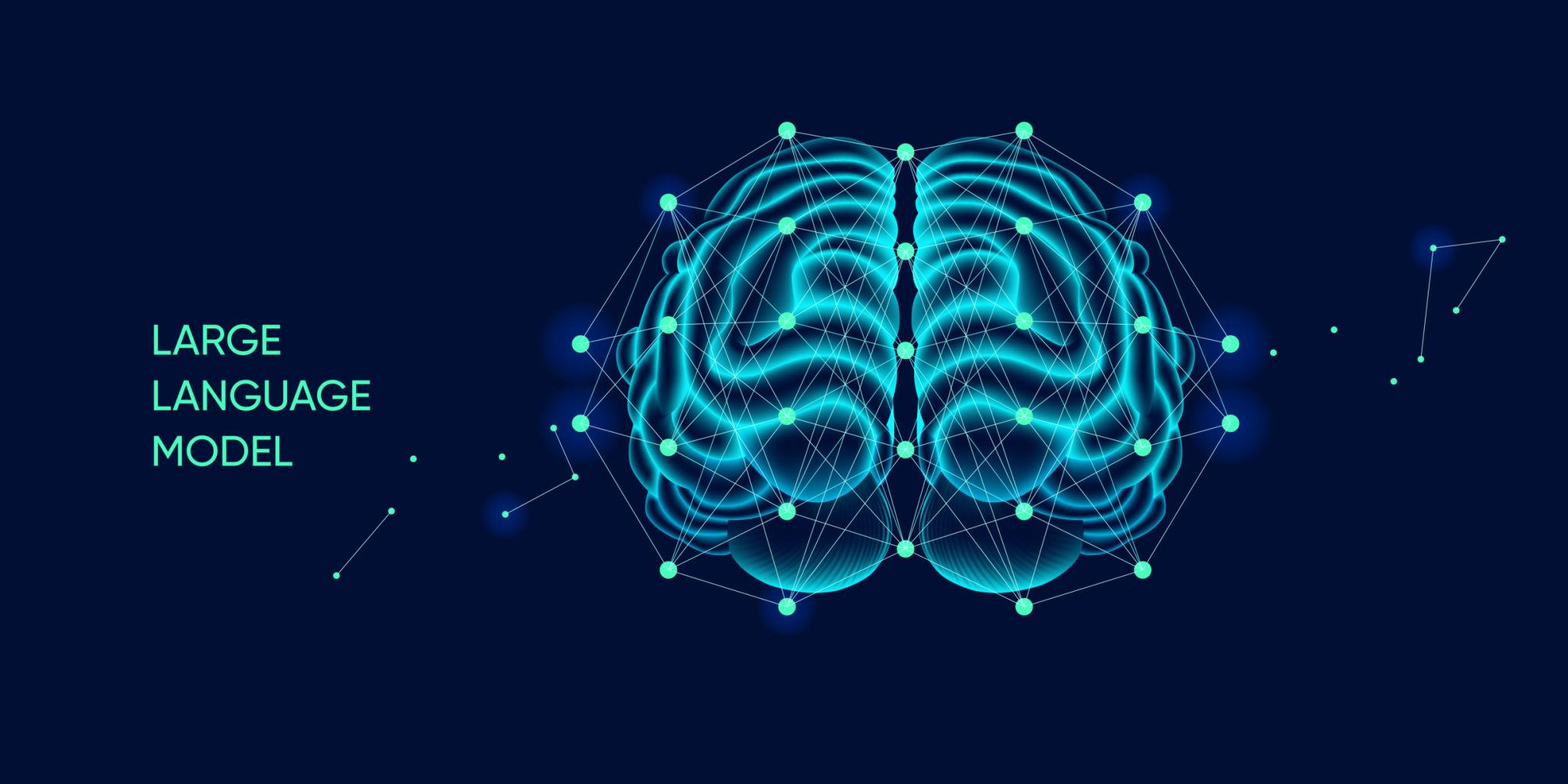
Learn LLMs
Understand how AI models process information and generate responses.

Prompt Engineering
Learn how to write effective prompts to get better AI results.

Python AI Development
Create AI-powered applications using Python programming.
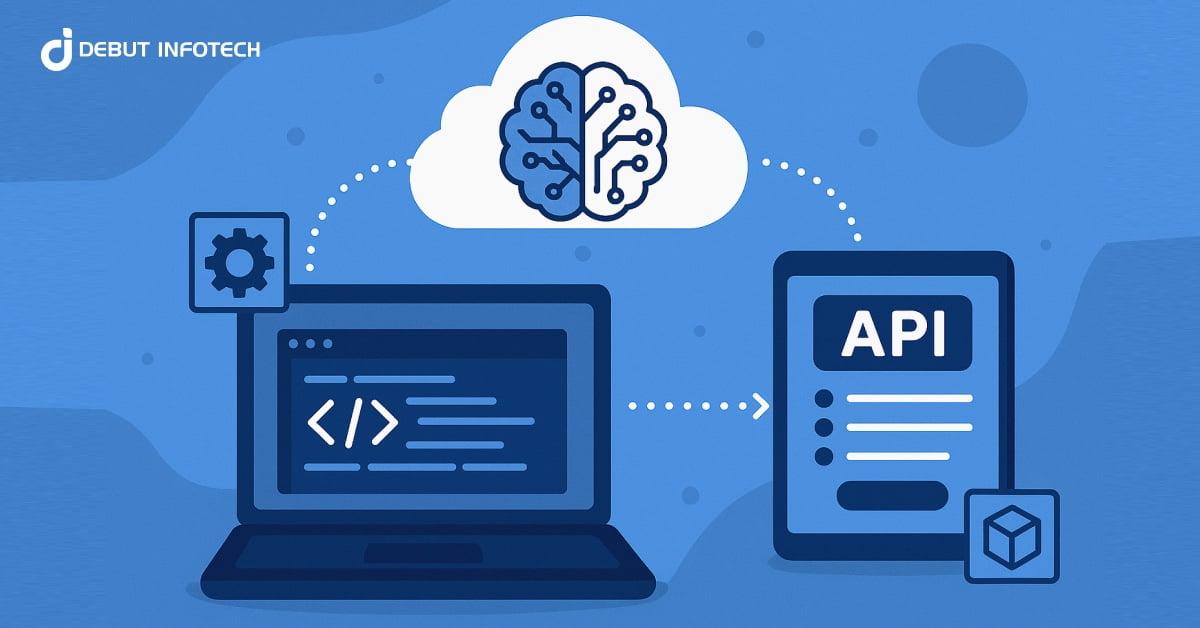
AI APIs & Open Models
Work with AI APIs and open-source models.
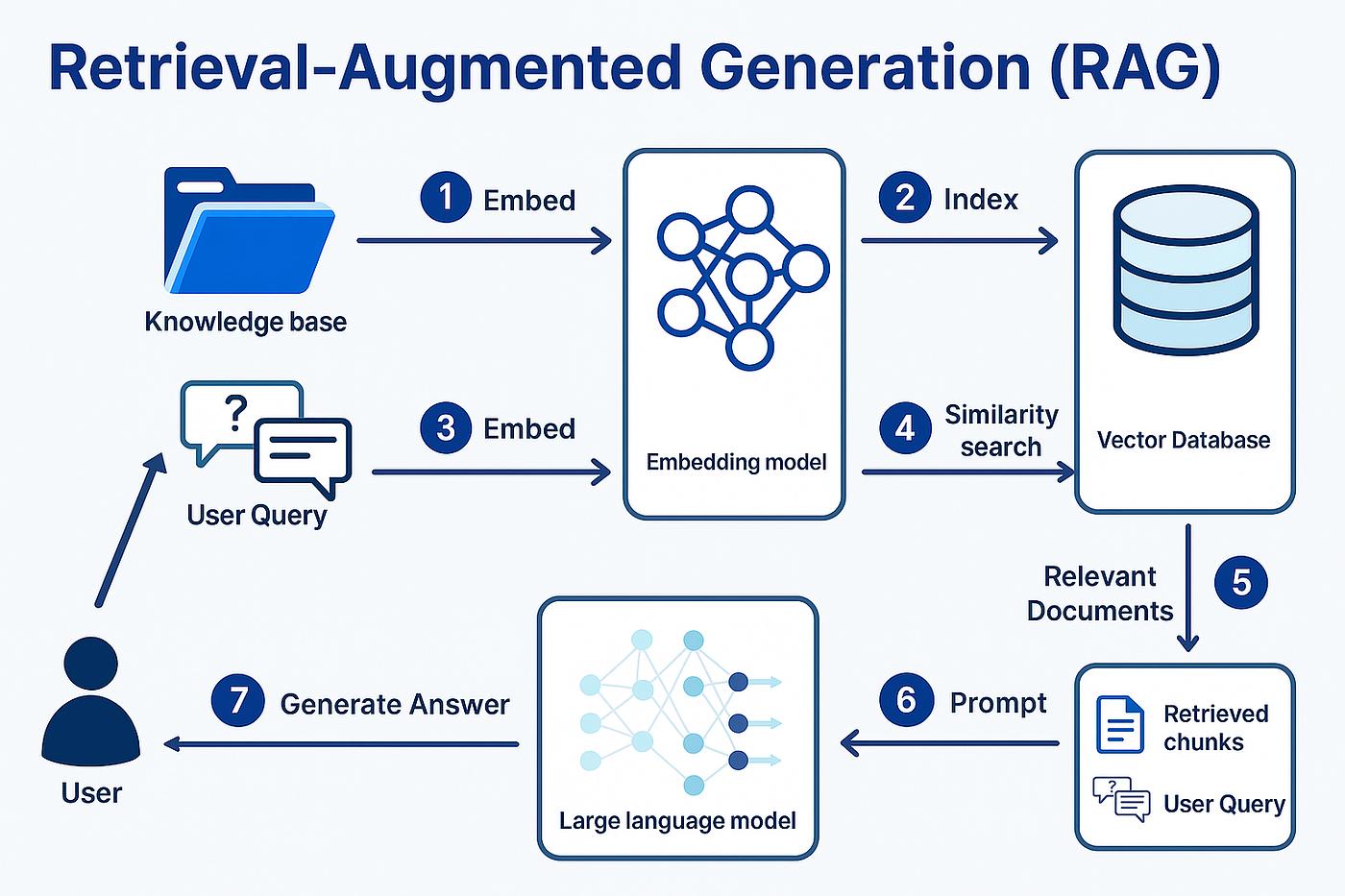
RAG Application Development
Learn to build AI applications that answer questions from documents.

AI Chatbot Development
Learn to create smart chatbots and AI assistants for real-world applications.

Document-Based AI Solutions
Build AI applications that read documents and provide relevant answers.

Curriculum For Generative AI Course in Thrissur
MODULE 1: Introduction to Generative AI
Class 1: Introduction to AI and Generative AI
- Artificial Intelligence, Machine Learning and Deep Learning
- What is Generative AI?
- Generative AI versus traditional AI
- Real-world applications
- Overview of LLMs
Practical: Explore Generative AI applications and identify suitable use cases.
Class 2: Generative AI Applications
- Text, image and code generation
- Summarization and question answering
- Business and educational applications
- Opportunities and limitations
Practical: Use an AI tool to generate content, summarize text and answer questions.
Class 3: Introduction to Large Language Models
- What is an LLM?
- Tokens and context windows
- Model inputs and outputs
- Capabilities, limitations and hallucinations
- Responsible AI
Assignment: Identify five real-world Generative AI applications and explain their benefits.
MODULE 2: NLP and Transformer Architecture
Class 4: Natural Language Processing
- NLP fundamentals
- Text preprocessing
- Tokenization
- Word and sentence representations
- Introduction to embeddings
Practical: Perform basic text preprocessing using Python.
Class 5: Understanding Transformers
- Limitations of traditional sequence models
- Transformer architecture
- Self-attention
- Multi-head attention
- Positional encoding
Practical: Explore tokenization and attention concepts using a small example.
Class 6: Transformer-Based Language Models
- Encoder and decoder concepts
- Understanding GPT-style models
- Pretraining and inference
- Context windows
- Transformer applications
Assignment: Prepare a simple diagram explaining how a transformer processes text.
MODULE 3: Generative AI Models and Training
Class 7: Generative AI Model Architectures
- Autoregressive models
- Encoder-based and decoder-based models
- Pretrained models
- Model selection for applications
Practical: Compare model types and their use cases.
Class 8: LLM Training Process
- Training data and preprocessing
- Tokenization and training objectives
- Pretraining
- Fine-tuning overview
- Inference and generation parameters
Practical: Experiment with text generation settings where supported.
Class 9: Model Evaluation and Limitations
- Accuracy and response quality
- Hallucinations
- Bias and responsible AI
- Evaluating generated responses
- Selecting models for different tasks
Assignment: Compare the responses of two accessible AI models to the same prompts.
MODULE 4: Prompt Engineering
Class 10: Prompt Engineering Fundamentals
- Role and instruction prompting
- Context and task specification
- Zero-shot and few-shot prompting
- Prompt structure
Practical: Improve weak prompts through systematic experimentation.
Class 11: Advanced Prompting Techniques
- Chain-of-thought concepts
- Example-based prompting
- Structured output generation
- Output constraints
- Prompt templates
Practical: Generate structured JSON outputs for a sample business application.
Class 12: Prompt Testing and Evaluation
- Prompt evaluation
- Comparing alternative prompts
- Reducing ambiguous responses
- Prompt safety
- Reusable prompt templates
Assignment: Build an AI-powered study assistant using effective prompts.
MODULE 5: AI APIs and Application Development
Class 13: Working with AI APIs
- API fundamentals
- API keys and environment variables
- Understanding model APIs
- Request and response structures
- Usage and cost considerations
Practical: Make a Python request to an available AI API.
Class 14: Building Applications with AI APIs
- Python integration
- Sending prompts
- Displaying model responses
- Exception handling
- Rate limits and service errors
Practical: Create a command-line AI assistant.
Class 15: Building a Simple AI Web Application
- Application workflow
- Streamlit fundamentals
- User input and output
- Connecting the interface to an AI model
- Testing
Practical: Develop an AI question-answering web application.
MODULE 6: Open-Source Models and Fine-Tuning
Class 16: Introduction to Open-Source Models
- Open-weight and open-source model concepts
- Model selection
- Hardware requirements
- Local model execution
- Introduction to Ollama and Hugging Face
Practical: Run an accessible local model or use a hosted model.
Class 17: Building Applications with Open-Source Models
- Connecting Python to a model
- Generating responses
- Configuring model parameters
- Application integration
- Local versus hosted inference
Practical: Build a simple chatbot using an open-source model.
Class 18: Fine-Tuning LLMs
- Fine-tuning concepts
- Preparing training datasets
- Supervised fine-tuning
- Parameter-efficient fine-tuning overview
- Benefits, costs and drawbacks
Assignment: Prepare a sample dataset and explain when fine-tuning is preferable to prompting or RAG.
MODULE 7: Retrieval-Augmented Generation (RAG) Fundamentals
Class 19: Introduction to RAG
- Why RAG is needed
- Limitations of standalone LLMs
- RAG architecture
- Retrieval and generation
- RAG use cases
Practical: Design a RAG workflow for a document-based assistant.
Class 20: Document Processing and Chunking
- Document loading
- Text extraction
- Data cleaning
- Chunking strategies
- Chunk size and overlap
Practical: Load documents and split them into chunks using Python.
Class 21: Embeddings and Vector Stores
- Embedding models
- Generating embeddings
- Similarity search
- Vector database concepts
- Introduction to vector stores
Practical: Generate embeddings and store them in a vector store.
MODULE 8: Building RAG Applications
Class 22: Building the Retrieval Pipeline
- Document ingestion
- Embedding generation
- Vector indexing
- Query embeddings
- Similarity-based retrieval
Practical: Retrieve relevant passages from a document collection.
Class 23: Connecting Retrieval with an LLM
- Prompts with retrieved context
- Context management
- Grounded answers
- Source references
- Handling unanswered questions
Practical: Build a document question-answering pipeline.
Class 24: RAG Evaluation and Improvement
- Retrieval quality
- Response relevance
- Groundedness
- Chunking improvements
- Common RAG failures
Assignment: Build a chatbot that answers questions using course notes or institute documents.
Why Choose Easy Courses for Generative AI Training in Thrissur?

Hands-On Projects
Build AI applications through practical projects.

Practical Training
Learn AI concepts through practical sessions.

Real-World Experience
Understand how AI technologies are used in real applications.

Individual Learning Support
Get guidance and support throughout your learning journey.
Placement Support
Get career guidance and placement assistance.
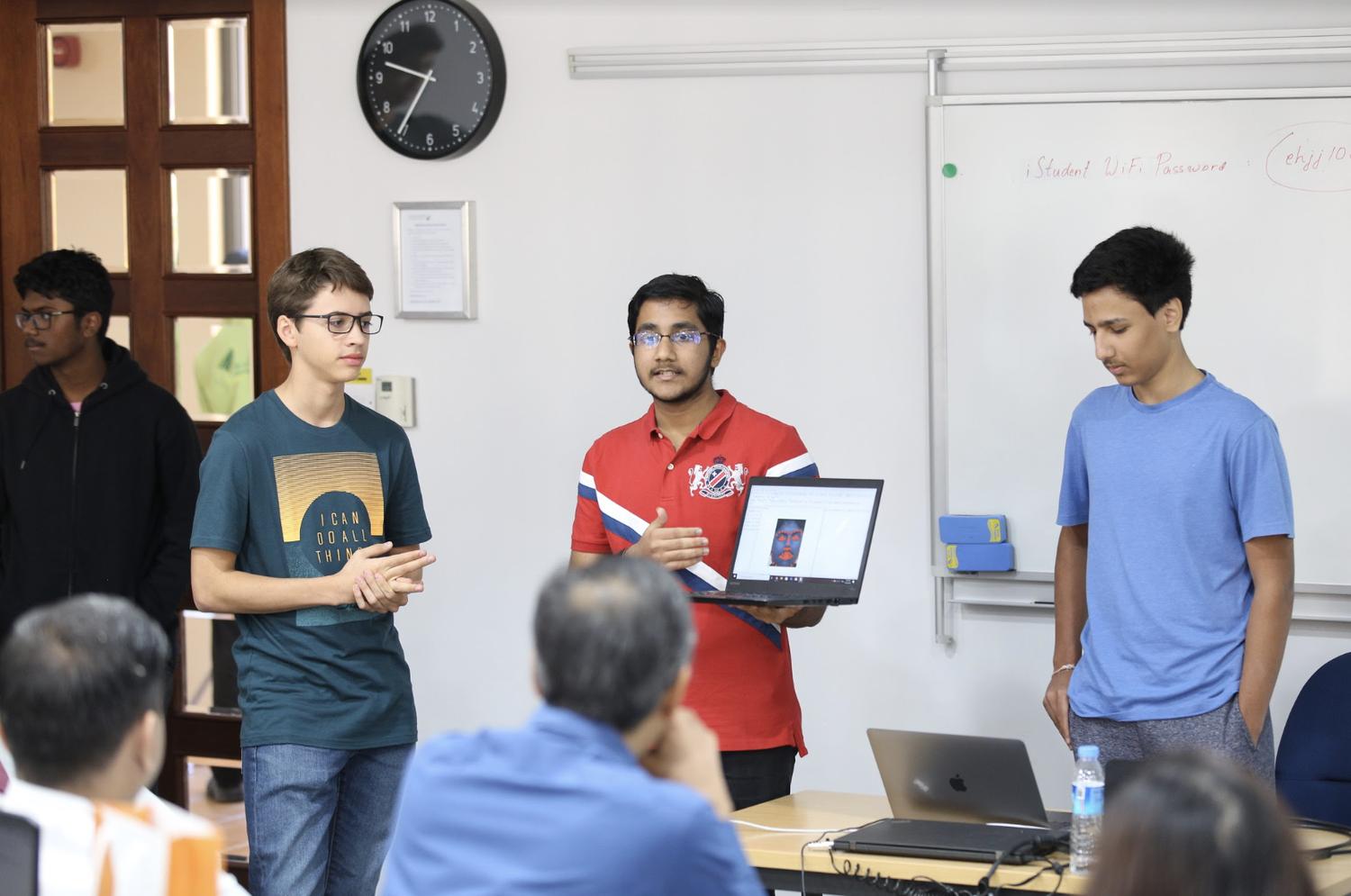
Project-Based Learning
Improve your knowledge by working on practical AI development tasks.

Career Opportunities After Generative AI Course

Generative AI Developer
Develop applications using Generative AI technologies.

AI Application Developer
Build intelligent applications powered by AI models.

Prompt Engineer
Create effective prompts to improve AI-generated results.

LLM Application Developer
Build applications using Large Language Models.
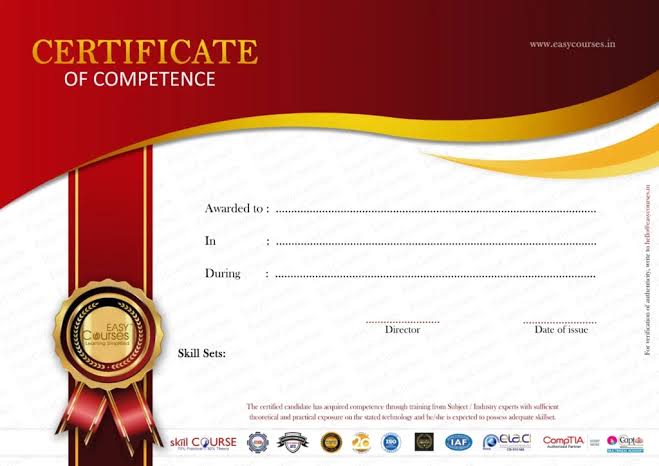
Certifications
Get a Course Completion Certificate from Easy Courses after successfully completing your Generative AI training.
Frequently Asked Questions (FAQ)
1. Where can I learn Generative AI in Thrissur?
You can learn Generative AI at Easy Courses, located near Paramekkavu Temple, Thrissur. The course includes practical training in LLMs, Prompt Engineering, AI APIs, open-source models, and RAG.
2. What is the duration of the Generative AI course at Easy Courses?
The Generative AI course has a duration of 8 weeks, consisting of 24 classes and 48 total learning hours.
3. Do I need Python knowledge to learn Generative AI?
Basic Python knowledge is recommended because the course includes practical sessions on AI APIs, Python application development, and building AI-powered applications.
4. What topics are covered in the Generative AI course?
The course covers Generative AI fundamentals, NLP, transformer architecture, LLMs, Prompt Engineering, AI APIs, open-source models, fine-tuning, embeddings, vector stores, and RAG applications.
5. What is the difference between Generative AI and Agentic AI?
Generative AI focuses on generating content such as text, images, and code. Agentic AI focuses on systems that can plan, make decisions, use tools, and perform multi-step tasks to achieve specific goals.
Enrol in the Best Generative AI Course in Thrissur!
Ready to explore the world of Artificial Intelligence?
Take the next step towards developing your AI skills with the Generative AI Course at Easy Courses. Learn about Large Language Models, Prompt Engineering, AI APIs, and RAG while developing practical AI applications.
Start your AI learning journey with Easy Courses today!
Easy Courses – Thrissur
Location: Near Paramekkavu Temple, Thrissur, Kerala
Website: https://easycourses.in
Call / WhatsApp: 90374 77441
Enquire today and take your first step towards learning Generative AI


